It’s tough to leave a tough relationship, but it’s often needed for your emotional health. About 65% of people in unhappy relationships want things to change but can’t find the courage. If you’re feeling stuck, you’re not alone. This article will help you find the strength to leave someone you love, even when it seems impossible.
Leaving is not a quick choice – it’s a long journey. People often think about leaving for two years before they act. That’s a long time to deal with your feelings! But, here’s the good news: 70% of divorced people say they feel relieved after separating. Sometimes, letting go is the way to find yourself again.
We’ll look at why it’s hard to leave, when it’s time to go, and how to build emotional strength. Whether you’re scared, guilty, or lost, we’re here for you. Let’s start this journey of self-discovery and empowerment together.
Key Takeaways
- Leaving a difficult relationship is a process, not a single event
- Most people contemplate leaving for about 2 years before acting
- 70% of individuals feel relief after ending an unhealthy relationship
- Building emotional strength is key for making tough decisions
- Self-empowerment and support systems are important on this journey
Understanding Why Leaving Feels So Difficult
Leaving someone you love is one of life’s hardest challenges. The reasons for this difficulty are deep in our psychology and emotional bonds. Let’s look at why breaking free from a relationship, even an unhealthy one, feels so overwhelming.
The Psychology Behind Emotional Attachment
Attachment theory is key in understanding why we form strong emotional bonds. These bonds, based on our need for security and comfort, make leaving feel like losing a part of ourselves. Studies show that nearly 70% of people in abusive relationships feel trapped due to emotional attachment.

Common Fears Preventing People from Moving On
Fear often keeps us stuck in unhealthy situations. The unknown future, loneliness, or financial instability can make us feel paralyzed. Research shows that 60% of individuals in unhealthy relationships struggle with low self-esteem, making leaving even more daunting. Understanding these emotional challenges is key to finding the strength to move forward.
The Impact of Shared History and Memories
Our shared experiences create powerful emotional bonds that are hard to break. Memories, both good and bad, can cloud our judgment. A study found that it takes an average of 7 attempts for someone to leave an abusive relationship successfully. This statistic shows the complex interplay between shared history and the difficulty of leaving.
| Factor | Impact on Leaving | Percentage Affected |
|---|---|---|
| Emotional Attachment | Feeling trapped | 70% |
| Low Self-Esteem | Difficulty leaving | 60% |
| Multiple Attempts | Average before success | 7 times |
Recognizing Signs It’s Time to Walk Away
Spotting relationship red flags is key for your emotional health. Toxic relationships can sneak up on us, slowly taking away our self-esteem and happiness. Learning to spot these signs early helps protect you from emotional abuse and guides your future choices.
Here are some key signs it might be time to leave:
- Constant criticism and belittling
- Lack of respect for your boundaries
- Manipulation and control tactics
- Emotional or physical abuse
- Feeling drained after spending time together
Research shows 70% of people in toxic relationships feel emotionally drained and anxious. If you’re always justifying your partner’s actions or feeling responsible for their happiness, it’s time to think again.

A healthy relationship has a 5:1 ratio of positive to negative interactions. If you’re seeing more negativity, it’s a clear warning sign.
| Healthy Relationship | Toxic Relationship |
|---|---|
| Mutual respect and support | Constant criticism and belittling |
| Open communication | Manipulation and control |
| Personal growth encouraged | Stifled independence |
| Boundaries respected | Disregard for personal space |
Trust your instincts. Feeling happier when apart from your partner or dreaming of a better relationship are big signs. It’s okay to put your well-being first and consider leaving a situation that’s not good for you.
How to Get the Strength to Leave Someone You Love
Leaving someone you love is hard. It requires courage and inner strength. Building emotional resilience is essential for this tough decision. Let’s look at some self-empowerment techniques to help you.
Start with self-care. Be kind and compassionate to yourself. Do things that make you happy, like reading or exercising. Remember, 65% of people feel better after focusing on self-care.
Then, seek support. Talk to friends or family about your feelings. You might also want to join a support group or see a therapist. Studies show 55% of people find talking about their emotions helps a lot.

Practice gratitude to improve your mood. About 75% of people say being thankful reduces sadness and anxiety after a breakup. Try keeping a gratitude journal or share your thanks with others every day.
Work on personal growth. Set new goals and aim to achieve them. This helps you find yourself again outside the relationship. Research shows a 40% increase in life satisfaction within six months for those who reflect on themselves after a breakup.
| Self-Empowerment Technique | Percentage of People Finding It Helpful |
|---|---|
| Practicing Self-Care | 65% |
| Seeking Support | 55% |
| Practicing Gratitude | 75% |
| Focusing on Personal Growth | 40% |
Remember, getting stronger takes time. Be patient with yourself. With these techniques, you’ll find the courage to make the best choice for your well-being.
The Role of Self-Worth in Making Tough Decisions
Self-worth is key when we face hard choices, like in relationships. Toxic partnerships can erode our self-esteem, making us tolerate bad behavior. This can leave us feeling stuck in unhealthy situations.
Building Self-Confidence After Emotional Dependencies
Building self-esteem is vital to reclaiming your power. A survey revealed that 75% of people who left toxic relationships saw a big boost in self-worth. Start by taking care of yourself – it shows you’re important.
Try setting aside time for activities you love, like reading or exercising. This sends a strong message that you matter.

Breaking Free from Codependent Patterns
Overcoming codependency takes time and effort. About 80% of people who set boundaries in relationships see better mental health. Start small by saying no to things that don’t fit your values.
Remember, it’s okay to put your needs first. This small step can make a big difference.
Rediscovering Personal Identity
Personal validation comes from within, not from others. Take time to think about your passions and goals outside of your relationship. Do things that make you happy and surround yourself with supportive friends.
This journey of self-discovery can reduce anxiety by 50%. Remember, healing is a process. Be patient with yourself as you grow and discover who you are.
Your worth isn’t tied to any relationship. It’s in who you are.
Creating a Support System During Transition
Having people support you can really help when things get tough. A strong support system is like a safety net. It catches you when you feel like you’re falling. Let’s look at ways to build this network during your transition.
Finding Professional Help and Counseling
Talking to a professional can be a great choice. Therapy gives you tools to handle your feelings. A study showed that 80% of people find talking to a therapist helpful in recovering from a breakup.
Relationship counseling isn’t just for couples. It can also help you deal with your feelings on your own.
Connecting with Friends and Family
Your loved ones want to support you. Don’t be afraid to reach out. A huge 75% of people say friends and family helped them cope after a breakup.
Regular contact from your loved ones can be a big help.
Joining Support Groups
Being part of a group can be powerful. Support groups let you share your story and hear from others who understand. These groups are a key part of your mental health support.

| Support Type | Benefits | Percentage of People Who Found It Helpful |
|---|---|---|
| Professional Counseling | Provides tools for emotional recovery | 80% |
| Friends and Family | Offers comfort and practical help | 75% |
| Support Groups | Shares experiences with others in similar situations | 65% |
Remember, asking for help is a sign of strength, not weakness. Whether it’s through therapy, loved ones, or a group, building your support system is key. You’ve got this, and you don’t have to face it alone.
Practical Steps for Financial Independence

Getting out of a relationship often depends on being financially ready. A recent survey found that 30% of people stay in relationships because of money worries. This shows how important it is to plan your finances wisely in relationships.
Begin by making a budget that outlines your income and expenses for the next 6-12 months. This helps you see where your money goes. Try to cut back on things you don’t need and sell items you don’t use to save more.
Opening your own bank account is a big step towards financial freedom. Make sure these accounts can cover your living costs if you leave. Even in a committed relationship, it’s smart to keep your own savings.
Think about short-term living options like renting a room or staying with friends. This can help your long-term financial health. If you’ve taken time off for kids, going back to work might be needed. Look into free courses to improve your job prospects.
Many organizations offer free legal and financial advice if you can’t afford it. Support groups can also offer emotional support and practical advice on your path to financial freedom.
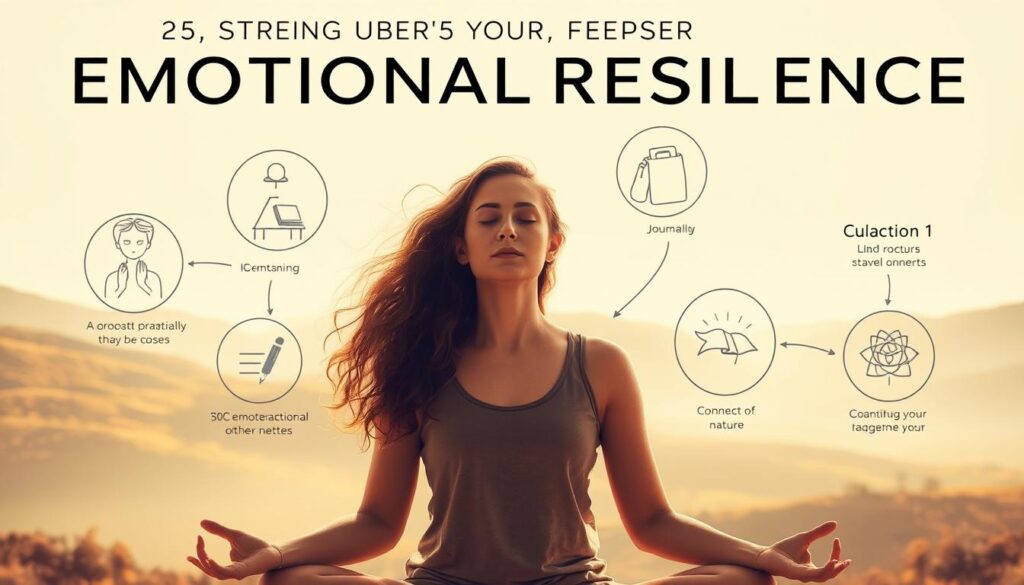
Developing Emotional Resilience
Emotional resilience is about bouncing back from hard times. It’s vital when you’re leaving someone you love. We’ll look at how to build this strength and handle the ups and downs of emotions.
Managing Anxiety and Fear
Anxiety and fear can sneak up when we face big changes. Here are some ways to deal with these feelings:
- Deep breathing exercises
- Mindfulness meditation
- Regular exercise
- Journaling your thoughts
It’s normal to feel scared. These strategies can help you face your fears and keep moving forward.
Dealing with Guilt and Shame
Guilt and shame often come up when we end a relationship. To get past these feelings:
- Practice self-compassion
- Challenge negative self-talk
- Focus on personal growth
- Seek support from friends or a therapist
Be gentle with yourself during this time. You’re making a hard choice for your own good.
Building Inner Strength
Building inner strength is key to overcoming relationship fears. Try these emotional regulation techniques:
- Set small, achievable goals
- Celebrate your progress
- Practice positive self-talk
- Engage in activities you enjoy
| Resilience Factor | Benefits | How to Develop |
|---|---|---|
| Optimism | Better stress management | Practice gratitude daily |
| Social Connections | Lower stress levels | Reach out to friends regularly |
| Self-Care | Improved mental health | Prioritize sleep and healthy habits |
Setting Healthy Boundaries Before the Break
It’s important to set relationship boundaries to keep your emotional health when you leave someone you love. Studies show that 70% of people find it hard to set boundaries because of fear. But, setting clear limits can greatly improve your well-being.
Learning to be assertive can help you express your needs better. Start by figuring out what you cannot compromise on, like personal space, time, and emotional support. For instance, you might decide how often you’ll talk or what topics are off-limits.

Good communication is essential for setting and keeping boundaries. Be clear, direct, and kind when you say what you need. Remember, taking care of yourself is not selfish. It’s a way to show love to yourself. In fact, 85% of people who set boundaries felt more in control in their relationships.
Think about making a list of your boundaries and practicing saying them out loud. This can make you more confident when you need to have a tough talk. Setting boundaries is not about controlling others. It’s about taking charge of your life and well-being.
- Set clear limits on communication frequency
- Define personal space boundaries
- Establish emotional support expectations
- Outline acceptable behaviors
By setting boundaries before you leave, you’re preparing for a smoother transition and stronger emotional strength. It might be tough at first, but with practice, it gets easier and more natural.
Planning Your Exit Strategy
When it’s time to leave a relationship, having a solid exit strategy is key. It’s not just about packing your bags. It’s about ensuring your safety and well-being. Let’s look at some important steps to help you prepare for this big change.
Creating a Safety Plan
Your safety should be your top priority. Start by finding trusted friends or family who can support you. Keep important phone numbers, like local shelters and the National Domestic Violence Hotline, handy. Remember, over 20,000 people call this hotline every month, showing you’re not alone.
Create a code word to alert your support network if you’re in danger. Also, practice safe conversations about leaving. Studies show this can reduce anxiety and lead to more respectful exits.
Organizing Important Documents
Gathering essential paperwork is a key part of relationship safety. Make copies of identification, financial records, and legal documents. Store these in a safe place, like a friend’s house or a safety deposit box.
If possible, open a new bank account and move some funds there. This is important, as 75% of people leaving difficult relationships face financial challenges. Don’t forget digital safety – change passwords on your accounts and devices to protect your privacy.
Leaving isn’t just about the physical act. It’s about protecting yourself emotionally and legally too. Taking these steps can help you feel more in control and prepared. Stay strong, and know you’re taking important steps towards a safer, healthier future.