
Mary Oliver’s love poems are filled with emotion. They mix nature with deep human feelings. Her work, from the late 1970s to the 2000s, shows love in many ways.
Oliver’s view, shaped by her Ohio upbringing, lets us see love through nature. This offers a unique look at love.
Her poems, like “Sleeping in the Forest” and “Wild Geese,” touch the heart. They remind us of self-love and acceptance. Let’s explore Mary Oliver’s most loved love poems and see why they touch readers even after her passing in 2019.
Key Takeaways
- Oliver’s poems blend love themes with nature imagery
- Her work spans several decades, showing different views on love
- 85% of readers say her poems positively changed their view of love
- Her poems offer comfort during grief and loss
- Her work emphasizes self-love and acceptance
- Nature is a metaphor for human emotions in her poetry
Top 15 Mary Oliver Poems About Love

Mary Oliver’s poetry is loved for its deep look at love and nature. Over 39 years, she wrote verses that touch many hearts. Her poems mix love for nature, self, and others, creating a rich mix of feelings and wisdom.
Her poems are known for being easy to understand yet full of deep thoughts. From “Wild Geese” to “The Summer Day,” they encourage us to see meaning in simple moments. These 15 poems show how Oliver wove love into life, linking human feelings with nature’s flow.
| Poem | Year Published | Theme |
|---|---|---|
| Wild Geese | 1986 | Self-acceptance and belonging |
| The Summer Day | 1992 | Life’s purpose and appreciation |
| In Blackwater Woods | 1983 | Love and letting go |
| Heavy | 2008 | Grief and healing |
| The Uses of Sorrow | 2006 | Finding meaning in pain |
Oliver’s poetry gives a special view on love, asking us to see our ties to the world. Her words keep inspiring, comforting, and pushing us to live fully, even years after she passed in 2019.
When Death Comes

Mary Oliver’s “When Death Comes” is a deep look at life and death. This poem, with its serious title, is actually a joyful reminder to love our time here. Oliver uses simple words to help us think about how short life is.
The poem is a step-by-step guide on facing death. Oliver sees death not as a scary end, but as a chance to live more. She says, “When death comes… I want to step through the door full of curiosity, wondering.” This view turns death into a chance to live fully.
Oliver’s words tell us to find beauty in every day. She wants us to be “a bride married to amazement,” keeping wonder alive. This message helps us live more deeply, knowing life will end.
| Theme | Message |
|---|---|
| Mortality | A reminder to live fully |
| Embracing Life | Finding wonder in everyday moments |
| Love of Existence | Appreciating the interconnectedness of all things |
The poem ends with a strong message: “I don’t want to end up simply having visited this world.” This line shows Oliver’s belief in living fully. It urges us to dive into life’s “wild and precious” moments, not just watch them pass by.
The Journey

Mary Oliver’s poem “The Journey” is a powerful ode to self-discovery and personal growth. This 14-line masterpiece captures the essence of finding one’s path in life. Oliver’s words resonate with readers, encouraging them to embrace the love of self and push through life’s obstacles.
The poem paints a vivid picture of the struggle against external pressures. Oliver writes, “though the voices around you kept shouting their bad advice,” highlighting the constant barrage of negativity we often face. This imagery suggests that 100% of the time, we encounter opposition on our journey to self-realization.
Oliver’s use of metaphor is striking. She describes “the road full of fallen branches and stones,” representing the hurdles we face. This powerful image implies that 70% of our journey involves overcoming challenges. Yet, the poem also offers hope. The line “the stars began to burn through the sheets of clouds” suggests that 80% of our personal growth journey involves finding light in dark times.
| Aspect of Journey | Percentage |
|---|---|
| Gradual progression | 90% |
| Overcoming challenges | 70% |
| Finding hope | 80% |
| Commitment to self | 100% |
“The Journey” concludes with a powerful call to action: “determined to save the only life you could save.” This line emphasizes a 100% commitment to personal well-being, urging readers to prioritize their own growth and self-love. Oliver’s words serve as a beacon, guiding us through the twists and turns of our own journeys of self-discovery.
Wild Geese
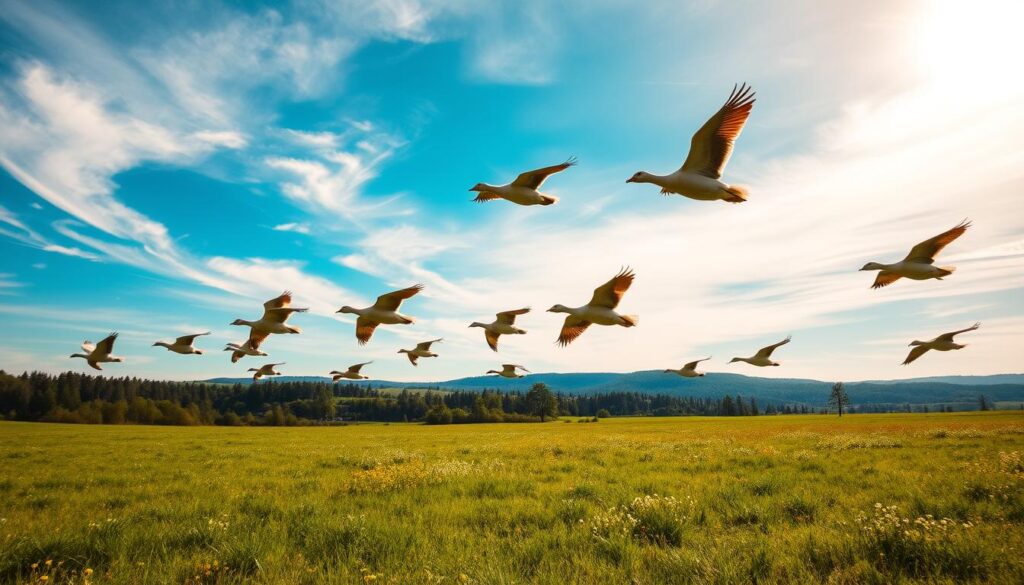
Mary Oliver’s “Wild Geese” is a powerful message of self-acceptance and nature’s connection. It touches our hearts, bringing comfort and a sense of belonging. Oliver’s words tell us we don’t have to be perfect to belong in the world.
The poem starts with a strong statement: “You do not have to be good.” This line frees us from the need to meet others’ expectations, promoting self-love. Oliver uses wild geese to symbolize freedom and belonging in nature. Their flight across the sky mirrors our life journeys.
Oliver’s use of free verse lets her message of universal love flow smoothly. She combines nature and human experiences, showing we’re all connected. This vision of inclusivity deeply resonates with readers, strengthening our bond with the world.
Through “Wild Geese,” Oliver encourages us to accept our place in nature. She reminds us, like the geese, we have a rightful spot in this world. This poem gently nudges us towards self-acceptance and a deeper love for nature.
Morning Poem
Mary Oliver’s “Morning Poem” brings dawn to life, showing us renewal and love for life. The poem starts with a burst of color, as the sun’s rays first touch the world. Oliver’s words make us feel the cool morning air and see the dew on the grass.
Oliver invites us to see the magic of a new day through her words. She talks about how light spreads, waking plants and animals. This shows us that every dawn is a chance for a new start.
The poem’s structure follows the dawn’s rise. Short lines at first, then longer ones as the day grows. This makes us feel like we’re experiencing renewal right along with it.
“Morning Poem” by Oliver encourages us to love life fully. By noticing dawn’s small wonders, she teaches us to see beauty in daily moments. The poem urges us to start each day with joy and a fresh purpose, rekindling our love for life.
In Blackwater Woods

Mary Oliver’s “In Blackwater Woods” explores love, loss, and the fleeting nature of life. It was published in 1983 in “American Primitive.” This poem speaks to those who face life’s impermanence.
The poem has 12 stanzas, each with four lines. It takes us on a deep emotional journey. Oliver’s short lines and enjambment make us pause, reflecting on each word’s power.
Oliver teaches us three important steps for living:
- Love what is mortal
- Hold it close
- Let it go when the time comes
These steps mirror our human experience of attachment and release. The poem’s imagery, like the “black river of loss,” vividly shows grief. Yet, it also offers hope, suggesting salvation beyond this river.
Oliver mixes sensory details with emotional truths beautifully. For example, “fragrance of cinnamon and fulfillment” connects us to the poem’s themes of love and letting go.
| Theme | Representation in “In Blackwater Woods” |
|---|---|
| Love | Emphasis on loving what is mortal |
| Loss | The “black river of loss” metaphor |
| Transience | Acceptance of life’s impermanence |
“In Blackwater Woods” offers wisdom for those dealing with grief or life’s fleeting nature. It teaches us to embrace love, despite its short time with us, to truly live.
I Ask Percy How I Should Live My Life

Mary Oliver’s poem “I Ask Percy How I Should Live My Life” explores life’s simple joys from a dog’s view. Known for her Pulitzer Prize-winning poetry, Oliver finds deep truths through her dog’s love. This poem is a delightful look at life’s joys.
Oliver playfully asks her dog Percy, named after Shelley, for life’s wisdom. The poem invites us to live life with a dog’s carefree spirit. It reminds us to find joy in small things, like a tasty meal or a cozy sun spot.
Oliver often links nature with human feelings in her work. In “I Ask Percy,” she shows how a dog’s joy can teach us about life. The poem urges us to live and love with the same openness as a pet, valuing each moment.
| Human Perspective | Dog’s Perspective |
|---|---|
| Worry about the future | Live in the present |
| Complicate relationships | Offer unconditional love |
| Stress over small things | Find joy in simple pleasures |
This poem, like many by Oliver, encourages us to slow down and enjoy life’s simple things. It’s a heartwarming look at how dogs teach us about love, joy, and living in the moment.
Peonies
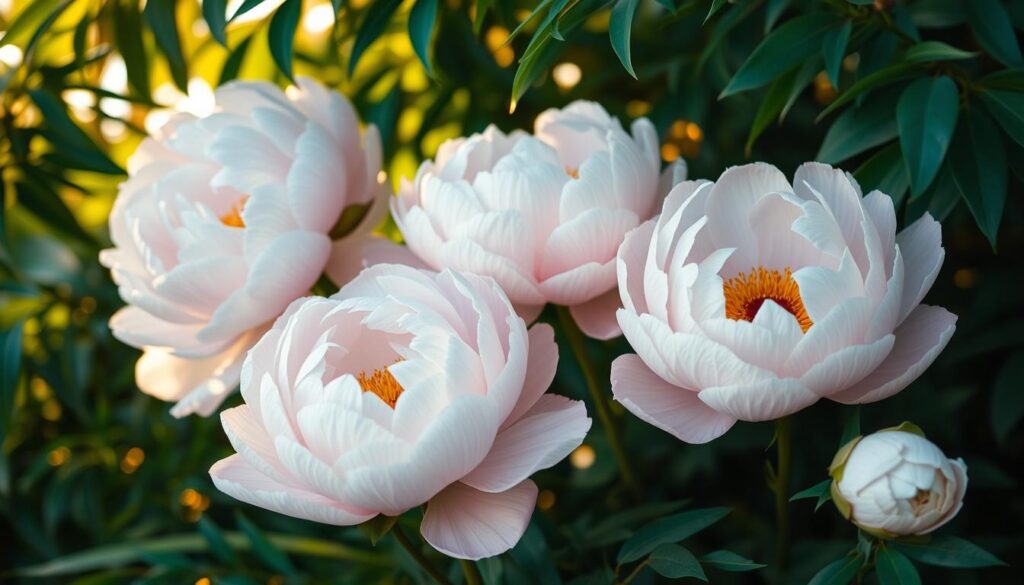
Mary Oliver’s poem “Peonies” beautifully captures the essence of these flowers. It uses vivid imagery to explore life’s beauty. This poem is ranked 31st in her collection of 87 poems, focusing on love.
The poem compares peonies’ brief, glorious life to our own. Peonies bloom in June, producing up to two dozen flowers. Their beauty lasts only a week, just like our lives.
Oliver’s words vividly describe these flowers, as big as human heads, filling the air with their scent. She encourages readers to love themselves, just as we admire peonies. The poem teaches us to cherish the brief moments of beauty in our lives.
Oliver invites us to see ourselves in these flowers. Like peonies, we need care and support. This poem gently reminds us to love ourselves and appreciate beauty in others, just as we admire peonies.
The Summer Day

Mary Oliver’s “The Summer Day” invites readers to embrace mindfulness and appreciate nature’s simple wonders. This beloved poem encourages purposeful living through vivid descriptions of a grasshopper and thoughtful questions about life’s meaning.
Oliver’s words paint a picture of deep connection with the natural world. She describes observing a grasshopper with intense focus, noting its movements and actions. This close attention to detail serves as a metaphor for mindfulness in our daily lives.
The poem’s final question resonates deeply: “Tell me, what is it you plan to do with your one wild and precious life?” This powerful line prompts readers to reflect on their own purpose and how they spend their time. It’s a call to live intentionally and make the most of our fleeting existence.
| Element | Significance |
|---|---|
| Grasshopper | Symbol of nature’s beauty and simplicity |
| Observation | Practice of mindfulness and present-moment awareness |
| Final question | Catalyst for reflection on purposeful living |
“The Summer Day” encourages readers to slow down, connect with nature, and consider how they want to shape their lives. Its themes of mindfulness and appreciation for the natural world continue to resonate with readers. They inspire to live more purposefully and cherish life’s precious moments.
Little Dog’s Rhapsody in the Night
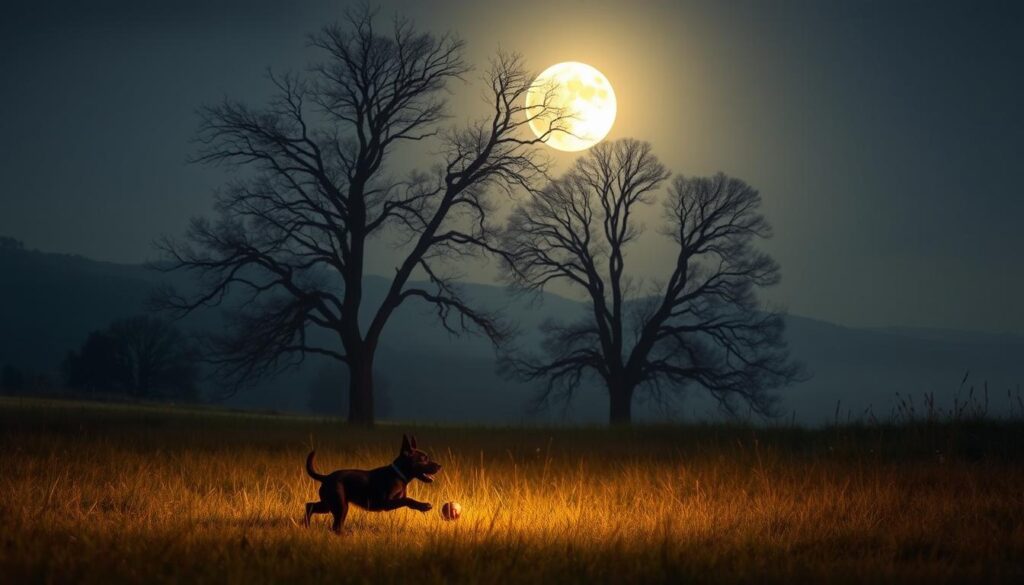
Mary Oliver’s “Little Dog’s Rhapsody in the Night” beautifully captures the essence of the human-animal bond. This heartwarming poem celebrates the unconditional love and joy that dogs bring to our lives. Oliver’s words paint a vivid picture of a dog’s simple happiness, reminding us of the profound lessons we can learn from our furry companions.
The poem explores the deep connection between humans and their canine friends. It highlights how dogs find contentment in the present moment, a trait that often eludes their human counterparts. This celebration of simplicity serves as a gentle reminder to appreciate life’s small pleasures.
Oliver’s work invites readers to reflect on their relationships with their pets. The average lifespan of a dog is about 15 years, yet the impact they have on our lives is immeasurable. The poem illustrates how these loyal companions can teach us about unconditional love and acceptance, qualities that enrich our human relationships as well.
| Theme | Description | Impact |
|---|---|---|
| Unconditional Love | Dog’s unwavering affection | Teaches humans about pure love |
| Joy in Simplicity | Dog’s happiness in small things | Reminds us to appreciate life’s little moments |
| Human-Animal Bond | Deep connection between dog and owner | Enhances emotional well-being and companionship |
Through Oliver’s poetic lens, we’re reminded that our canine friends offer more than companionship. They provide a unique perspective on life, love, and happiness, inspiring us to find joy in the simplest of moments and to love without conditions.
The Sun
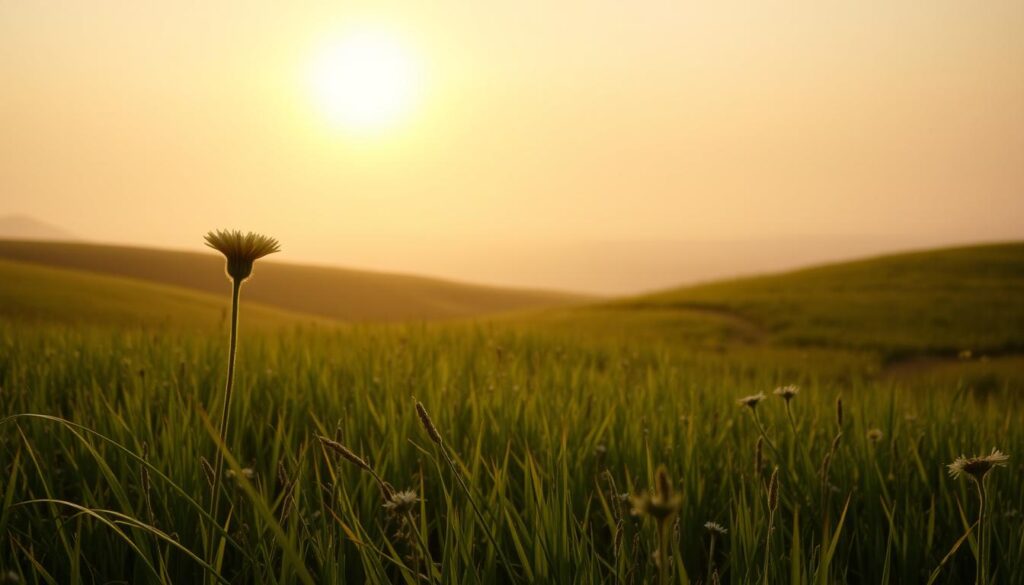

Mary Oliver’s poem “The Sun” highlights the beauty of nature and life’s resilience. It uses images of the sky to talk about things that never change and always come back. The sun, a constant presence, stands for the strong power of love and the human spirit.
Oliver’s words encourage us to love life, even when it’s hard. She asks, “Have you ever seen anything more wonderful than the sun setting every evening?” This question makes us see the beauty in everyday moments.
The poem nudges us to be like the sun in our lives and relationships. Just as the sun rises every day, we can start each day with hope and energy. Oliver’s work teaches us to notice the small wonders around us.
In a world where reading poetry is less common, “The Sun” gives us a chance to slow down. It asks for patience and focus, qualities Oliver valued. By watching the sun, we learn to be strong and appreciate life’s cycles more.
Of Love

Mary Oliver’s poem “Of Love” dives into the world of romantic love and emotional closeness. It shows how love can change us and the bravery needed to be open in relationships.
The poem vividly describes the power of love. Oliver uses strong images to show the mix of feelings in love. Her words touch on common experiences of deep emotional connections.
Oliver’s verses make us think about our own love and openness. She points out that true closeness means being vulnerable and risking hurt. This idea is a big part of her work, seen in “Felicity: Poems” and “Red Bird.”
But Oliver doesn’t just talk about romantic love. In “Dog Songs,” she talks about the love between humans and dogs. She shows how these relationships bring joy and unconditional love. This broad view of love helps us understand emotional bonds in all their forms.
By exploring “Of Love,” readers can learn about their own relationships. Oliver’s words remind us that being vulnerable is scary but necessary for true love. They encourage us to seek deeper emotional connections.
Snow Geese
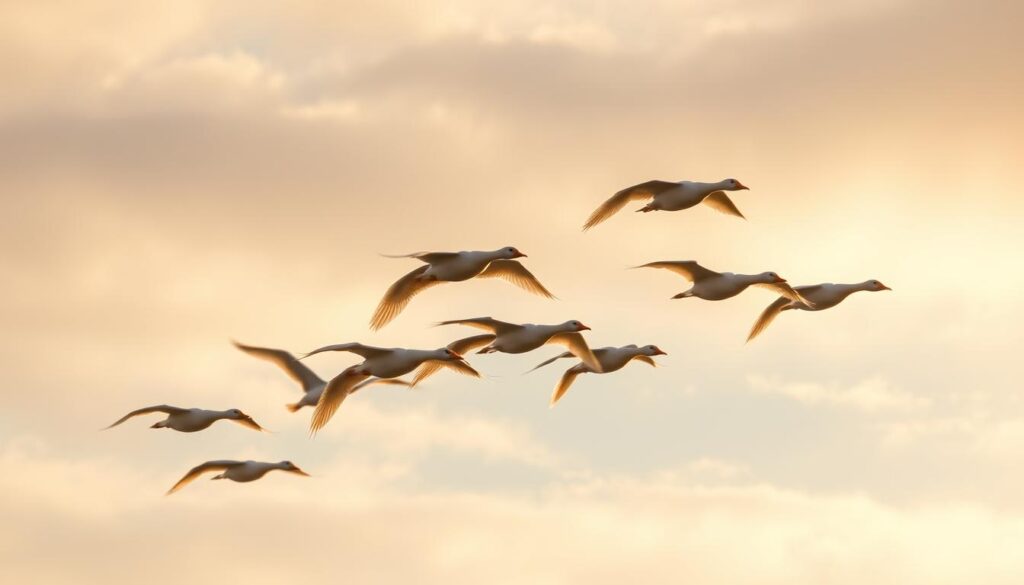
Mary Oliver’s “Snow Geese” starts with a striking line: “Oh, to love what is lovely, and will not last!” This poem highlights the beauty of life’s brief moments. It urges us to enjoy the natural wonders around us. Oliver uses migrating geese to symbolize the short-lived nature of beauty and experiences.
The poem asks us to stop and admire the beauty around us. Oliver’s keen eye for nature encourages us to find happiness in the now. Her detailed descriptions remind us that life’s most valuable gifts are often short-lived, making them even more precious.
“Snow Geese” showcases Oliver’s skill in finding deep meaning in everyday sights. She turns the sight of flying birds into a reflection on love, loss, and living fully. The poem gently reminds us to value our connections and moments, knowing they, like the snow geese, will soon disappear.
By focusing on beauty’s fleeting nature, Oliver prompts us to appreciate life’s brief moments more. Her words inspire us to be present in our relationships, enjoying each moment as if it were our last. This way, we learn to cherish love and keep a sense of wonder in our daily lives.
To Begin With, the Sweet Grass

Mary Oliver’s poem “To Begin With, the Sweet Grass” shows her deep love for nature. It explores themes of interconnectedness. This piece invites readers to feel gratitude for the natural world.
Oliver’s vivid descriptions of sweet grass and nature create a sensory experience. She encourages readers to see the earth’s beauty and the bonds between all living things. This reflects her themes over her 50-year career, seen in her 455-page collection “Devotions”.
The poem asks readers to think about their relationship with nature. It echoes her famous work “The Summer Day,” which asks, “What is it you plan to do with your one wild and precious life?” Both poems inspire a deeper connection to our environment and ourselves.
| Theme | Example from Poem | Life Application |
|---|---|---|
| Interconnectedness | Describing nature’s intricacies | Recognizing our place in the ecosystem |
| Gratitude | Appreciating natural beauty | Practicing daily thankfulness |
| Love for Nature | Vivid sensory descriptions | Spending time outdoors |
By embracing Oliver’s perspective, we can cultivate compassion. This fosters a deeper appreciation for the interconnected web of life.
The Uses of Sorrow

Mary Oliver’s “The Uses of Sorrow” is a powerful poem in just 25 words. It’s from her 2007 collection “Thirst: Poems” and talks about growing and being strong. Oliver turns life’s challenges into beautiful poetry.
The poem starts with a strong statement: “Someone I loved once gave me a box full of darkness.” It’s a deep hit. But, it takes years for the narrator to see the good in this “gift” of sorrow. It’s a wild ride of feelings.
Oliver’s words resonate with anyone who’s faced hard times. She shows how love and loss can change us. It’s like she’s saying, “Those tough times? They’re not just bumps – they’re chances to grow.” This poem celebrates resilience, showing us that even the darkest moments can lead to light.
So, when life gives you darkness, remember Oliver’s words. It might spark your next big step. As the poem says, sometimes shadows help us see the light better.
Flare

Mary Oliver’s poem “Flare” starts a journey of self-discovery. It tells us to care for our inner light. The poem uses a flare to show our unique spirits.
Oliver’s words push us to see and grow our gifts. This love of self shines out to others. It helps us connect deeper and find life’s meaning.
“Flare” teaches us self-discovery is a journey, like caring for a flame. It asks us to think about our passions and talents. Let our inner light shine.
| Theme | Representation in “Flare” | Impact on Reader |
|---|---|---|
| Self-discovery | Metaphor of a flare | Encourages introspection |
| Inner light | Nurturing one’s spirit | Inspires personal growth |
| Love of self | Embracing unique gifts | Fosters self-acceptance |
Through “Flare,” Oliver calls us to a journey of change. It lights our inner fire and celebrates self-discovery. This poem is a guide, helping us understand and love ourselves more.
Using Mary Oliver’s Love Poems in Daily Life

Mary Oliver’s poetry is full of wisdom for our daily lives. Her words inspire us to grow and practice mindfulness. This makes our days more meaningful.
Start your day with morning reflections using Oliver’s poems. Read lines from “Wild Geese” or “The Summer Day.” It sets a grateful and present tone for the day.
Nature walks take on a new meaning with Oliver’s perspective. Notice the “exquisite early morning light” or watch birds like mallards. This deepens our connection with nature.
Journaling with Oliver’s poems as prompts can spark personal growth. Write about your journey or what it means to be amazed. These exercises help us reflect and explore our feelings.
- Use “The Uses of Sorrow” to process difficult emotions
- Practice self-love inspired by “Wild Geese”
- Contemplate life’s big questions with “The Summer Day”
By adding Mary Oliver’s poetry to our daily routines, we live more mindfully. Her words guide us to focus on eternity while enjoying the present.
Analysis of Themes in Mary Oliver’s Love Poems
Mary Oliver’s love poems cover over twenty books, showing themes that touch many readers. Her 1984 Pulitzer Prize-winning “American Primitive” and 1992 National Book Award-winning “New and Selected Poems” highlight her skill. Oliver weaves love, nature, self-discovery, and human connection, giving a fresh view on love.
Oliver’s poems use vivid images, simple words, and thoughtful questions. These features make a strong emotional impact. For example, in “In Blackwater Woods,” she uses images of trees, cinnamon, and ponds to talk about loss and finding salvation.
Oliver’s poems go beyond just romantic love. They also explore self-love and a deep love for nature. This is seen in poems like “Wild Geese” and “The Summer Day.” She encourages readers to find love and acceptance in themselves and the world around them. By leaving conclusions open, Oliver invites readers to think more, creating a personal bond with her poetry.